

In hospitality, guests rarely think about the laundry operation behind the scenes—but they experience its results every day.
From crisp bed linen and plush towels to spotless tablecloths and perfectly pressed uniforms, the quality of your laundry operation directly influences guest satisfaction, operational efficiency, and your property’s reputation.
Yet, when planning a laundry facility, many hotel owners and developers ask the wrong question:
“Which washing machine should we buy?”
The better question is:
“What does our operation actually need?”
A successful hospitality laundry isn’t built around equipment alone. It’s built around a carefully planned system that supports your property’s workflow today while preparing for tomorrow’s growth.
Whether you’re developing a boutique lodge, a luxury safari camp, a beachfront resort, or a city hotel in Tanzania, understanding the fundamentals of laundry planning can significantly improve efficiency, reduce operating costs, and extend the lifespan of your hospitality linen.
Why Laundry Planning Matters in Hospitality
Laundry is one of the most operationally intensive departments within any hospitality establishment.
Unlike guest-facing areas, laundry often receives attention only when problems arise:
- Delayed room turnover
- Linen shortages
- Increased replacement costs
- High electricity and water bills
- Poor linen presentation
- Equipment downtime
However, these challenges rarely originate from the machines themselves.
They usually result from poor planning.
An efficient laundry system creates consistency across the entire guest experience while reducing operational pressure on housekeeping teams.
Step 1: Understand Your Occupancy Levels
Before selecting any equipment, calculate your property’s expected laundry volume.
Consider:
- Number of guest rooms
- Average occupancy rate
- Seasonal demand
- Staff uniforms
- Restaurant linen
- Spa towels
- Pool towels
- Conference and banquet linen
For example, a safari lodge operating at 95% occupancy during peak season will have dramatically different processing requirements compared to a boutique property with seasonal fluctuations.
Planning based only on average occupancy often results in undersized laundry facilities.
Always design with peak demand in mind.
Step 2: Design an Efficient Laundry Workflow
Laundry is a process—not simply washing.
Every successful laundry follows a logical sequence:
- Collection
- Sorting
- Washing
- Drying
- Ironing and finishing
- Folding
- Storage
- Distribution
Poor workflow leads to unnecessary handling, staff fatigue, slower turnaround times, and increased labour costs.
A professionally designed laundry should minimise movement while creating a smooth operational flow from soiled linen to guest-ready presentation.
Step 3: Assess Your Utility Infrastructure
Commercial laundry equipment requires the right infrastructure to perform efficiently.
Before installation, evaluate:
- Water availability
- Electrical capacity
- Drainage systems
- Ventilation
- Steam requirements (where applicable)
- Floor loading
- Space allocation
Many properties underestimate these requirements, leading to expensive upgrades after installation.
Proper planning prevents future operational disruptions.
Step 4: Develop a Smart Linen Strategy
Not all hospitality linen behaves the same.
Different materials require different washing cycles, drying temperatures, and finishing techniques.
For example:
Bed Linen
Requires consistent washing temperatures while preserving softness and colour.
Bath Towels
Demand high absorbency while enduring frequent commercial laundering.
Table Linen
Needs excellent finishing quality to maintain presentation.
Staff Uniforms
Require durability and efficient daily turnaround.
Choosing the correct equipment begins with understanding what you’re processing every day.
Step 5: Plan for Future Growth
One of the biggest mistakes hospitality developers make is sizing their laundry based solely on current operations.
Ask yourself:
- Will additional rooms be added?
- Will conference facilities expand?
- Is a spa planned?
- Will occupancy increase over the next five years?
Laundry systems should grow alongside your business.
Investing in scalable infrastructure today reduces future replacement costs.
Common Laundry Planning Mistakes
Hospitality operators frequently encounter similar challenges:
Underestimating Peak Laundry Volumes
Equipment becomes overloaded, increasing wear and reducing efficiency.
Poor Equipment Layout
Staff spend unnecessary time moving linen between workstations.
Ignoring Drying Capacity
Many properties purchase adequate washing capacity but insufficient drying equipment.
Limited Finishing Equipment
Laundry bottlenecks often occur during ironing and finishing—not washing.
Buying Based Only on Price
Lower upfront costs can lead to significantly higher operating expenses over the equipment’s lifetime.
Why Professional Laundry Solutions Matter
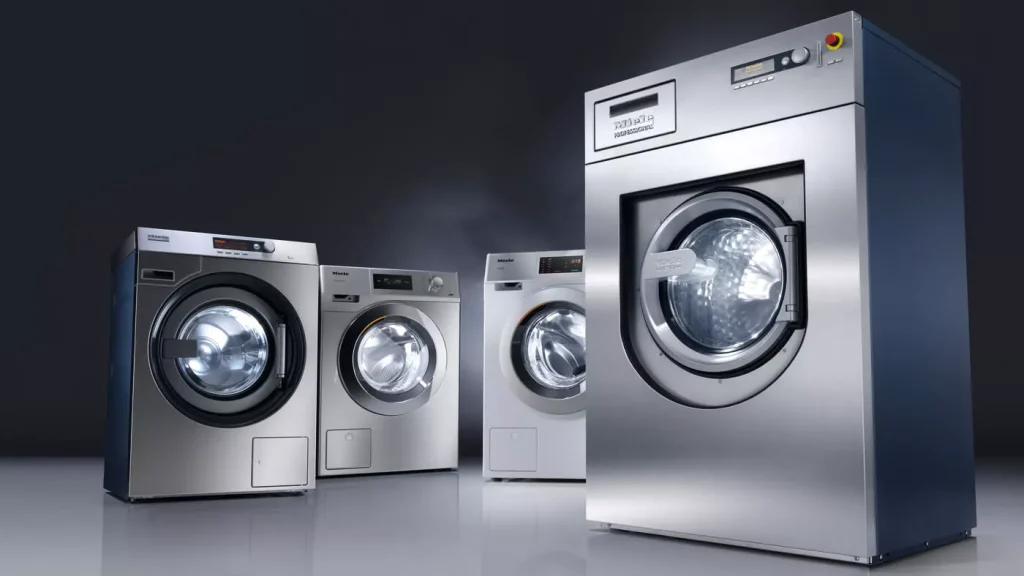
Commercial hospitality laundries require equipment specifically engineered for continuous operation.
Unlike domestic appliances, professional laundry systems are designed to deliver:
- Consistent washing quality
- Reduced utility consumption
- Faster processing times
- Longer equipment lifespan
- Better linen protection
- Lower operational costs
Every component contributes to improved guest satisfaction and operational reliability.
How Miele Professional Laundry Solutions Support Hospitality
At KitchenSpot Commercial, we believe successful laundry operations begin with intelligent system design.
That’s why we partner with Miele Professional, one of the world’s leading manufacturers of commercial laundry solutions.
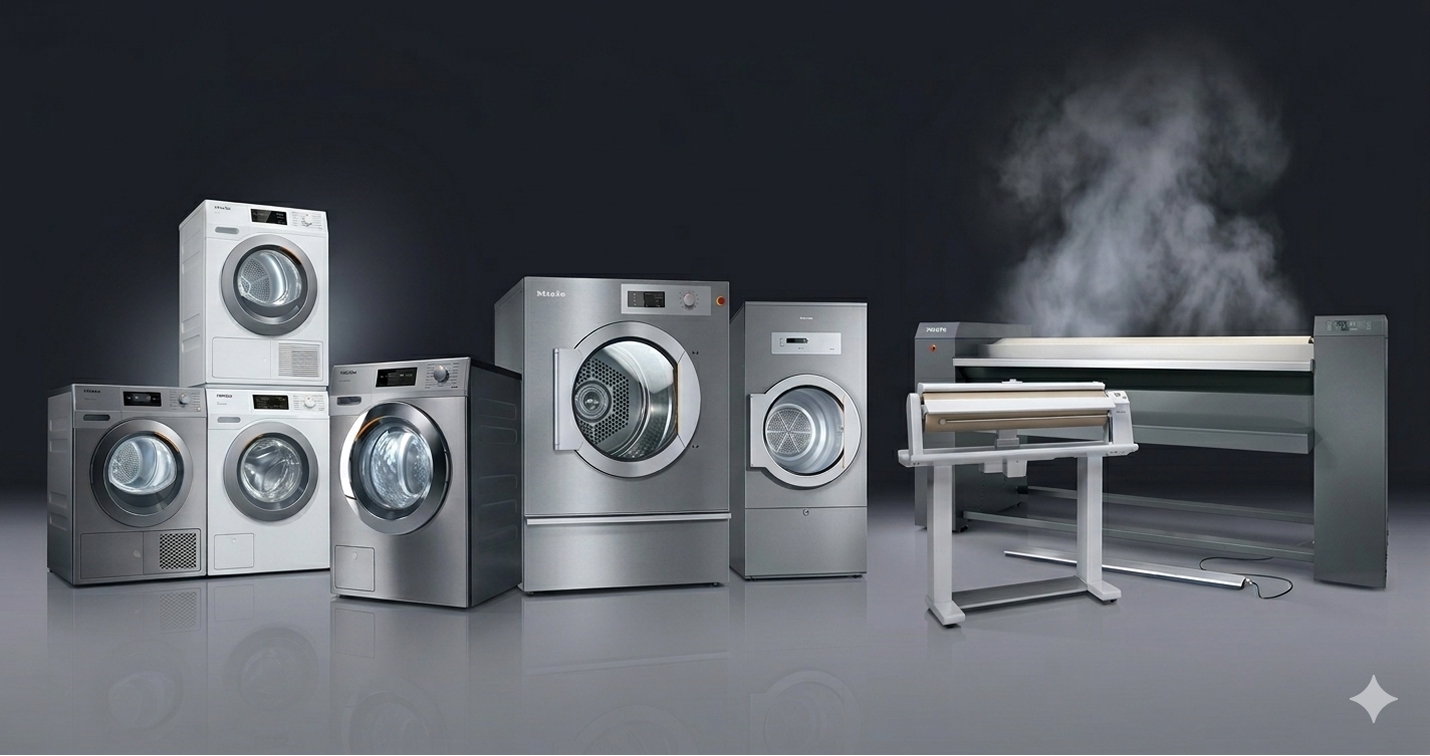
Designed specifically for hospitality environments, Miele Professional combines advanced washing, drying, and finishing technologies that help hotels, lodges, camps, and resorts achieve exceptional operational performance.
Key benefits include:
Improved Efficiency
Optimised programmes reduce cycle times while maintaining outstanding wash quality.
Linen Protection
Gentle yet effective washing technologies help extend the lifespan of hospitality linen.
Lower Resource Consumption
Efficient water and energy management contributes to reduced operating costs.
Professional Finishing
Integrated ironing and finishing solutions ensure every guest experiences crisp linen and premium presentation.
Long-Term Reliability
German engineering delivers dependable performance in demanding commercial environments.
Rather than simply supplying machines, Miele Professional provides complete laundry solutions designed around operational excellence.
Laundry Is More Than a Back-of-House Function
Guests may never visit your laundry room.
But they experience its performance every time they:
- Sleep in freshly prepared beds
- Wrap themselves in soft towels
- Dine with immaculate table linen
- Receive freshly laundered guest amenities
Laundry influences comfort, cleanliness, presentation, and ultimately guest satisfaction. Behind every exceptional hospitality experience is an efficient laundry operation. Planning a hospitality laundry requires far more than choosing equipment. It requires understanding workflows, occupancy, linen requirements, utilities, future growth, and operational objectives. The most successful hotels, lodges, and camps don’t simply purchase laundry equipment—they invest in complete laundry systems that support long-term performance.
Whether you’re developing a new hospitality project or upgrading an existing operation, a professionally planned laundry will improve efficiency, reduce costs, protect your linen investment, and elevate the guest experience.
At KitchenSpot Commercial, we work with hospitality operators across Tanzania to design complete commercial laundry solutions powered by Miele Professional.
Frequently Asked Questions (FAQs)
What is the most important factor when planning a hotel laundry?
Understanding your property’s occupancy, linen volume, workflow, and future growth is more important than selecting equipment alone.
Should hotels outsource laundry or install an in-house facility?
The decision depends on occupancy, location, operating costs, turnaround times, and service standards. Larger properties and remote lodges often benefit from professionally designed in-house laundry facilities.
Why is commercial laundry equipment better than domestic machines?
Commercial equipment is engineered for continuous operation, higher capacities, better resource efficiency, and longer service life, making it ideal for hospitality environments.
Why choose Miele Professional for hospitality laundry?
Miele Professional combines German engineering, operational efficiency, linen care, and long-term reliability, helping hospitality establishments deliver consistently high standards while reducing operating costs.
